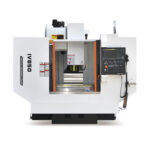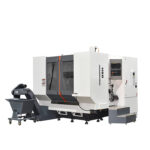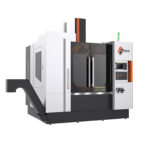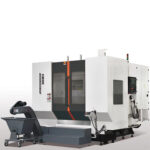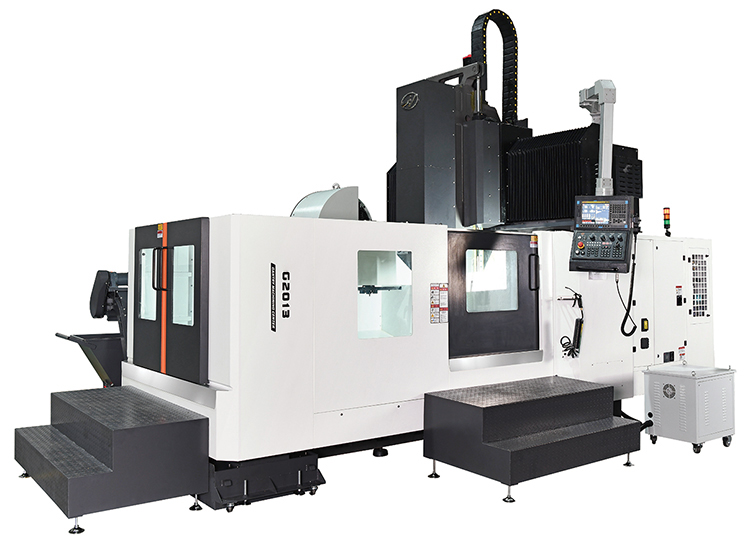
The gantry machining center is a powerful and versatile piece of equipment widely used in various manufacturing industries. However, to ensure its efficient operation and longevity, there are several important issues that operators need to pay attention to. In this blog, we will discuss the key points to keep in mind when using a gantry machining center.
Machine Inspection
Before starting the gantry machining center, a thorough inspection of the machine is essential. Check the mechanical components such as the gantry structure, guide rails, and ball screws for any signs of damage, wear, or looseness. For example, in a large – scale automotive parts manufacturing plant, if the guide rails are not properly inspected and have minor scratches, it can lead to inaccurate machining of engine components.
Electrical System
Examine the electrical system, including cables, connectors, and control panels. Make sure there are no exposed wires or loose connections. In a real – world scenario, a short – circuit caused by a loose electrical connection can not only damage the machine but also pose a safety hazard to the operator.
Lubrication System
Verify that the lubrication system is working correctly. Adequate lubrication of the moving parts is crucial for reducing friction and preventing premature wear. In a mold manufacturing workshop, improper lubrication of the spindle can result in overheating and poor surface finish of the molds.
Workpiece Fixing
Properly fix the workpiece on the worktable. Incorrect fixing can cause the workpiece to move during machining, leading to dimensional errors. For instance, in the aerospace industry, when machining aircraft wing components, any movement of the workpiece can compromise the precision required for flight safety.
Cutting Parameters
Select appropriate cutting parameters such as cutting speed, feed rate, and depth of cut. These parameters should be adjusted according to the material of the workpiece and the type of cutting tool. In a metal fabrication shop, using incorrect cutting parameters when machining stainless steel can cause excessive tool wear and poor surface quality.
Monitoring
Continuously monitor the machining process. Pay attention to the sound, vibration, and temperature of the machine. Unusual noises or excessive vibrations may indicate problems such as tool breakage or misalignment. In a heavy – machinery manufacturing plant, early detection of such issues can prevent more serious damage to the machine.
Cleaning
After the machining operation is completed, clean the gantry machining center thoroughly. Remove chips, coolant, and other debris from the worktable, guide rails, and other parts. In a high – precision machining environment, failure to clean the machine can lead to the accumulation of debris, which may affect the accuracy of subsequent machining operations.
Tool Storage
Properly store the cutting tools. Clean and lubricate the tools before storage to prevent rust and damage. In a tool – intensive manufacturing facility, well – maintained tools can save costs and ensure consistent machining quality.
Conclusion
By paying attention to these issues during the pre – operation, operation, and post – operation stages, operators can make the most of the gantry machining center, improve machining efficiency, and extend the service life of the equipment. Regular maintenance and careful operation are the keys to achieving optimal performance in any manufacturing application.