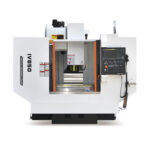
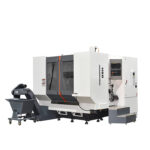
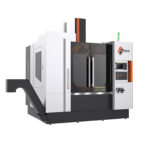
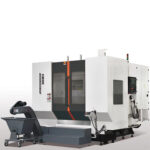
When it comes to CNC (Computer Numerical Control) machining, one of the crucial steps is the turret tool setup or “tooling” process. This involves properly aligning and calibrating the cutting tools with the machine’s coordinate system. In this blog, we will focus on the step-by-step process of tool setting, specifically for CNC machining centers.
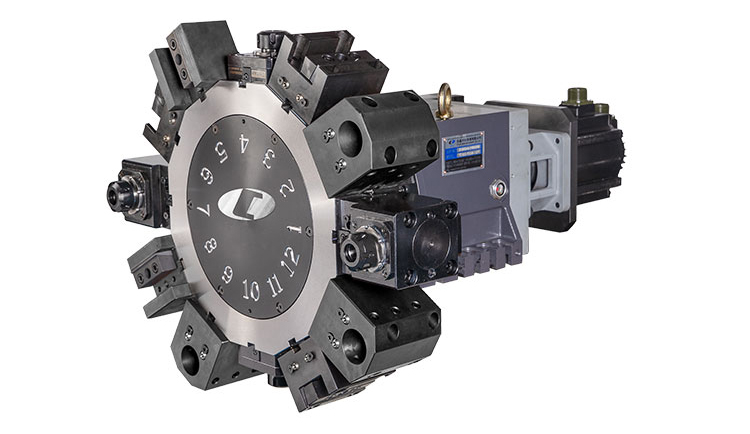
The Importance of Turret Tool Setup in CNC Machining
Accurate tool setup is essential for achieving precise and consistent machining results. It ensures that the cutting tools are positioned correctly relative to the workpiece, minimizing errors and maximizing productivity. Without proper tool setup, the machine may produce parts with incorrect dimensions, surface finishes, or even cause tool breakage.
The Basic Steps of CNC Machining Center Turret Tool Setup
Tool Selection: Select the appropriate cutting tools for the machining operation based on the material, geometry, and machining requirements. Make sure the tools are in good condition and properly sharpened.
Tool Datum Point Marking: On each tool, mark a reference point or datum. This point will be used as the reference for tool alignment and measurement. The datum point is usually located at the cutting edge or a specific feature of the tool.
Tool Length Measurement: Use a tool setter or a coordinate measuring machine (CMM) to measure the length of each tool from the tool holder to the datum point. Record the tool lengths in the machine’s tool database.
Tool Radius Compensation Setup: If the machining operation requires radius compensation (such as for curved surfaces), set up the radius compensation parameters in the machine’s control system. This compensates for the tool’s radius to ensure accurate machining of curved features.
Tool Offset Setting: Set the tool offsets in the machine’s control system. The tool offset is the difference between the tool’s actual position and the desired position in the machine’s coordinate system. By setting the tool offsets, the machine can accurately position the cutting tools during machining.
Tool Probing (Optional): Some CNC machines may have a tool probing function that allows for automatic tool length and radius measurement. If available, use the tool probing feature to simplify the tool setup process.
Tool Verification: Before starting the machining operation, verify the tool setup by running a dry run or a test cut. Check the tool paths and dimensions to ensure that the tools are positioned correctly and the machining operation is proceeding as expected.
Conclusion
Proper tool setup is a critical aspect of CNC machining. By following the steps outlined above, you can ensure accurate and efficient tool alignment, leading to high-quality machined parts. Remember to regularly maintain and calibrate your tools to maintain their accuracy and performance. With proper tool setup and care, you can achieve consistent and precise machining results in your CNC machining center.
Please note that specific tool setup procedures may vary depending on the make and model of the CNC machine and the machining software used. It is always recommended to refer to the machine’s manual and consult with experienced machinists for detailed instructions.