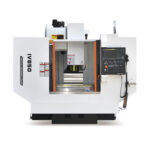
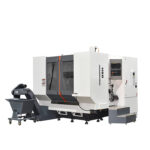
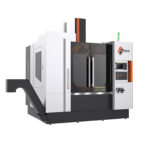
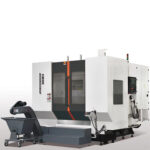
China Factory Sales Wholesale CNC Machining Center
In today’s global trade landscape, tariff hikes have become a hot topic with far-reaching consequences. One industry that is particularly affected is the cnc machining center market. Let’s take a closer look at how these increased tariffs are shaping the landscape and what it means for overseas sellers.
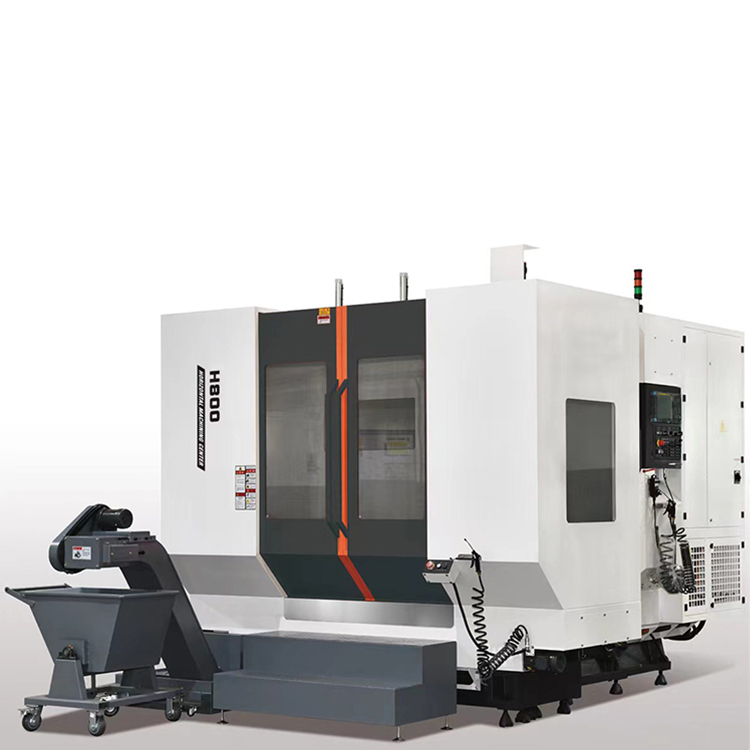
Firstly, the immediate impact of tariff increases is a rise in the cost of raw materials and components used in machining centers. As tariffs are imposed on imported parts, the prices of these items go up, directly affecting the production costs of machining centers. This leads to higher prices for manufacturers and, ultimately, for overseas buyers. Higher prices may result in a decrease in demand as customers become more cautious about their purchasing decisions.
Secondly, the supply chain is also facing challenges. With tariffs in place, the flow of goods between countries may be disrupted. This can lead to delays in the delivery of machining centers, affecting the production schedules of overseas sellers. Uncertainty in the supply chain can create inefficiencies and increase costs, further impacting the market.
However, it’s not all bad news. The tariff situation has also prompted some manufacturers to look for alternative sourcing options. They may explore local suppliers or invest in domestic production to reduce their reliance on imported parts. This could lead to the development of new supply chains and potentially open up opportunities for local businesses.
In terms of market trends, we can expect to see a shift towards more domestic production and a focus on self-sufficiency. Overseas sellers may start to prioritize sourcing machining centers from countries with more favorable trade policies or those that have established local manufacturing capabilities. This could lead to a redistribution of the machining center market, with certain regions gaining an advantage.
Looking ahead, it’s crucial for overseas sellers to stay informed about the latest trade developments and adjust their strategies accordingly. They need to carefully consider the impact of tariffs on their costs and pricing, as well as the potential for supply chain disruptions. By being proactive and flexible, they can navigate the challenges posed by tariff increases and continue to thrive in the machining center market.
In conclusion, while tariff increases have presented challenges to the machining center market, they have also spurred innovation and the search for alternative solutions. Overseas sellers need to be vigilant and adapt to the changing trade environment to ensure the continued success of their businesses.