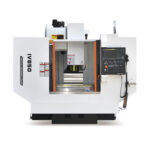
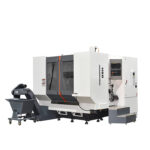
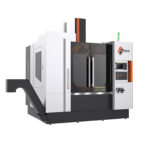
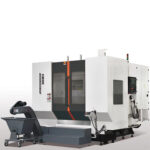
When it comes to machining centers, one of the key decisions is whether to go with hard rail or linear rail. Both options have their own advantages and considerations, and it can be a challenging choice for many overseas sellers.
Hard Rail – The Sturdy Choice
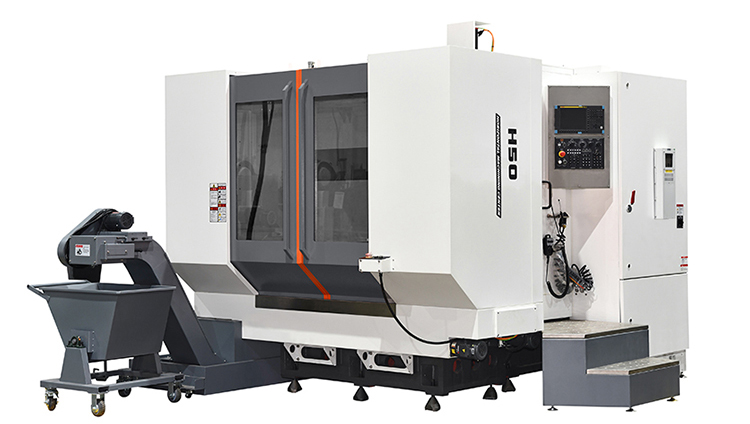
Hard rail systems offer excellent stability and rigidity. They are known for their ability to handle heavy cutting forces and provide precise movements. With a hard rail, the machine tool maintains a consistent contact along the entire length, resulting in high precision and accuracy. This makes hard rail machining centers ideal for applications that require heavy-duty machining and long tool life.
Applications Suited for Hard Rail
Heavy machining of large and complex parts.
Machining operations that demand high precision over long distances.
Industries such as aerospace and automotive where accuracy is crucial.
Linear Rail – The Precision Option
Linear rail systems, on the other hand, excel in terms of speed and precision. They offer smooth and accurate linear motion, allowing for faster machining cycles and improved productivity. Linear rails are typically lighter in weight compared to hard rails, which can be an advantage in some applications where weight reduction is important.
Applications Suited for Linear Rail
High-speed machining of small and intricate parts.
Applications that require rapid tool changes and quick positioning.
Industries like electronics and mold making where precision and speed are key.
Making the Right Choice
So, which one is better – hard rail or linear rail? The answer depends on your specific needs and requirements. If you are involved in heavy machining and need maximum stability and rigidity, a hard rail machining center may be the way to go. On the other hand, if you prioritize speed and precision, especially for small and high-precision parts, a linear rail system might be the better option.
It’s also important to consider other factors such as budget, available space, and the nature of your production processes. Additionally, consulting with experts in the field can help you make an informed decision based on your unique circumstances.
In conclusion, both hard rail and linear rail have their merits, and the choice between them ultimately depends on the specific demands of your machining operations. By carefully evaluating your needs and considering the various factors, you can select the most suitable machining center for your business and ensure optimal performance and productivity.