Introduction
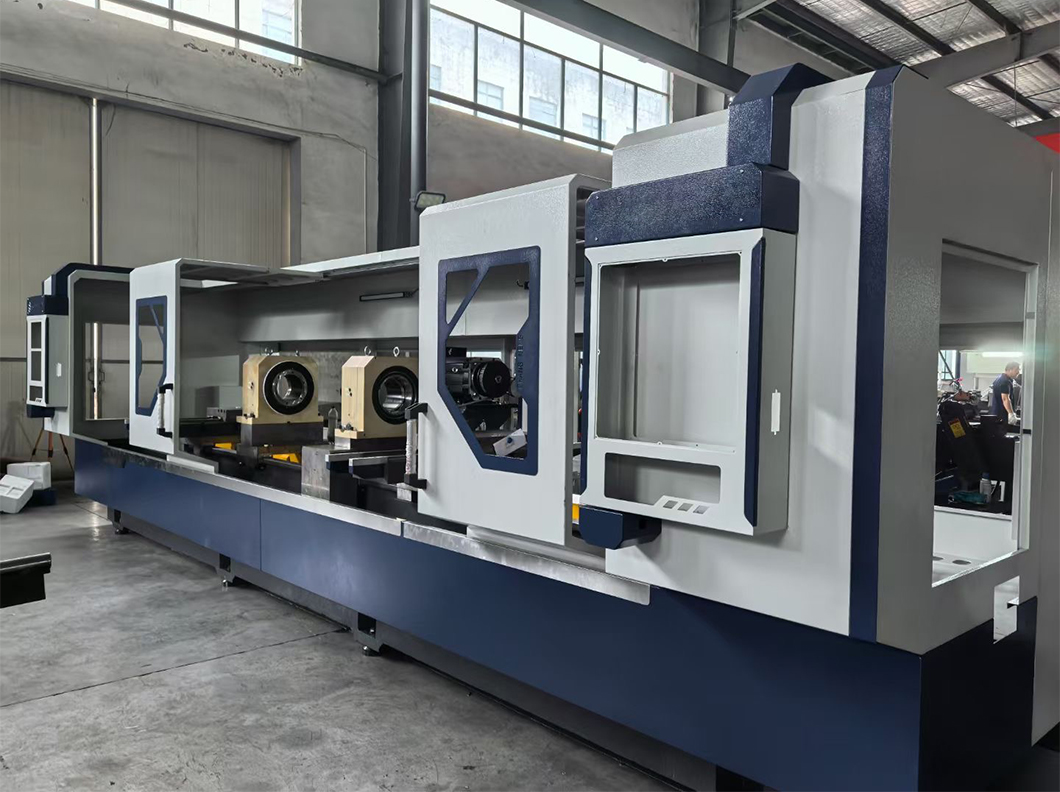
Purchasing a machining center for the first time can be a significant investment for any manufacturing business. Whether you’re a small workshop or a large-scale production facility, selecting the right machine ensures efficiency, precision, and long-term cost savings. This guide covers essential factors to consider before making your first purchase.
1.Understanding Your Needs
1.1 Define Your Application Requirements
Before selecting a machining center, identify:
○ Material Type: Will you machine aluminum, steel, titanium, or composites?
○ Part Complexity: Do you need 3-axis, 4-axis, or 5-axis machining?
○ Production Volume: Will the machine handle prototypes, small batches, or mass production?
1.2 Assess Your Workspace
○ Machine Footprint: Ensure your facility has enough space for installation and operation.
○ Power Supply: Verify voltage, phase, and amperage compatibility.
○ Coolant & Chip Management: Plan for proper waste disposal and coolant systems.
2.Choosing the Right Type of Machining Center
2.1 Vertical vs. Horizontal Machining Centers
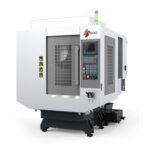
○ Vertical Machining Centers (VMCs): Best for simpler parts, easier setup, and lower cost.
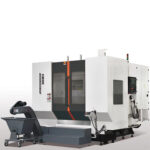
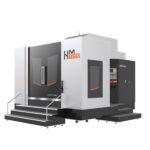
○ Horizontal Machining Centers (HMCs): Ideal for heavy-duty cutting, better chip evacuation, and high-volume production.
2.2 Multi-Axis Machining Capabilities
○ 3-Axis: Standard for most milling operations.
○ 4-Axis & 5-Axis: Allow complex geometries and reduced setups but come at a higher cost.
2.3 CNC vs. Conventional Machining
○ CNC Machining Centers: Offer automation, precision, and repeatability.
○ Manual Machines: Lower cost but require skilled operators and lack automation.
3.Evaluating Machine Specifications
3.1 Spindle Speed & Power
○ Higher RPM (10,000+) for aluminum and fine finishes.
○ High torque (30+ HP) for steel and heavy cuts.
3.2 Tool Capacity & Automatic Tool Changer (ATC)
○ 12-24 tools: Suitable for general machining.
○ 30+ tools: Needed for complex jobs with multiple tool changes.
3.3 Accuracy & Repeatability
○ Look for machines with ±0.0002″ (5µm) positioning accuracy.
○ Check repeatability to ensure consistency in production.
4.Budget & Cost Considerations
4.1 New vs. Used Machines
○ New Machines: Higher cost but come with warranties and latest tech.
○ Used Machines: Lower upfront cost but may require maintenance.
4.2 Hidden Costs
○ Installation & Training: Factor in setup and operator training.
○ Tooling & Workholding: Additional fixtures, vises, and cutting tools add expense.
○ Maintenance Contracts: Consider service agreements for long-term reliability.
5.Supplier & After-Sales Support
5.1 Reputation & Reviews
○ Research manufacturers (e.g., Haas, DMG Mori, Mazak).
○ Check customer feedback on reliability and service.
5.2 Warranty & Service Availability
○ Ensure local technical support is available.
○ Compare warranty terms (1-3 years typical).
5.3 Training & Documentation
○ Does the supplier offer operator training?
○ Are manuals and troubleshooting guides provided?
6.Final Steps Before Purchase
6.1 Request a Demo or Trial Cut
○ Test the machine with your own materials if possible.
6.2 Compare Multiple Quotes
○ Get pricing from at least 3 suppliers for negotiation leverage.
6.3 Plan for Delivery & Installation
○ Confirm lead times and logistics (crane, rigging, etc.).