Introduction
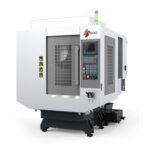
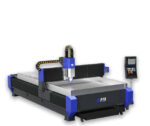
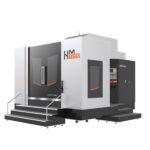
If you are in the market for a machining center, whether you’re a small business owner or a large – scale manufacturer, it can be a tough decision. There are so many factors to consider, especially when it comes to balancing the technical parameters and your budget. In this blog, we’ll break down some key points to help you make an informed choice.
Technical Parameters to Consider
1. Spindle Speed and Power
The spindle is like the heart of a machining center. A higher spindle speed, say 12,000 – 15,000 RPM, is great for detailed and high – precision work. For example, if you’re making intricate parts for the electronics industry, like small connectors. But these high – speed spindles often come with more power, which means a higher cost. On the other hand, for general – purpose machining of larger, less – precise parts, a spindle speed of 8,000 – 10,000 RPM might be sufficient. You need to think about what kind of work you’ll be doing most often. If you rarely need the super – high – speed and – power combo, don’t pay extra for it.
2. Travel and Work Envelope
The travel of the machining center (X, Y, and Z – axis) determines the size of the parts you can make. If you’re in the automotive business and need to machine large engine blocks, you’ll need a machining center with a large work envelope. For instance, an X – axis travel of over 1000mm, a Y – axis of 800mm, and a Z – axis of 600mm. However, if you’re mainly making small parts for jewelry or dental implants, a much smaller work envelope will do. Remember, a larger work envelope usually means a bigger and more expensive machine.
3. Precision and Repeatability
For some industries, like aerospace or medical device manufacturing, precision is everything. You might need a machining center that can hold a tolerance of within ±0.005mm or even less. This kind of precision requires advanced technology and high – quality components, which will add to the cost. But if your parts don’t need such extreme precision, say for general mechanical parts with a tolerance of ±0.01mm – ±0.02mm, you can save some money by not going for the highest – precision models.
Budget Considerations
1. Initial Cost
The upfront cost of a machining center can vary greatly. A basic model from a relatively unknown brand might start at around $30,000 – $50,000. But a top – of – the – line, multi – axis machining center from a well – known brand can easily cost $200,000 or more. You need to be realistic about what you can afford. If you’re a startup or a small business with a tight budget, it might be better to start small and upgrade later as your business grows.
2. Operating Costs
Don’t forget about the ongoing costs of running a machining center. Power consumption is a big one. High – performance machining centers with powerful spindles can use a lot of electricity. Also, tooling costs can add up. Some machining centers require specialized and expensive tools. Maintenance is another factor. A more complex machining center with lots of advanced features will likely need more frequent and costly maintenance. You should calculate these operating costs over the expected lifespan of the machine to get a true picture of the total cost.
3. Return on Investment (ROI)
Think about how the machining center will pay for itself in the long run. If it can increase your production efficiency by 40% and reduce waste by 30%, it might be worth paying a bit more upfront. For example, if you can produce more parts in less time and with better quality, you’ll be able to take on more orders and increase your revenue. Consider the potential market growth and how the machining center can help you meet future demands.
Finding the Balance
To find the right balance between technical parameters and budget, here are some tips:
1. Know Your Needs Exactly
Make a list of the types of parts you’ll be making, the volumes, and the required precision levels. This will help you narrow down the technical requirements and avoid over – or under – buying.
2. Consider Second – Hand Options
There are often good – quality second – hand machining centers available. They can offer great value for money. Just make sure to have them thoroughly inspected by an expert before buying.
3. Look for Financing Deals
Some manufacturers or financial institutions offer favorable financing terms. This can make it easier to afford a machining center with better technical features within your budget.
In conclusion, buying a machining center is a significant investment. By carefully considering the technical parameters and your budget, and finding the right balance between them, you can make a smart choice that will benefit your business for years to come.