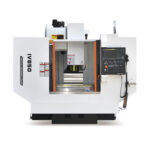
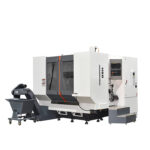
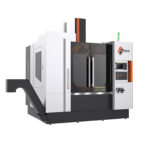
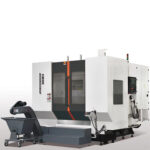
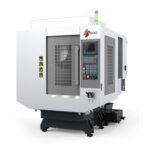
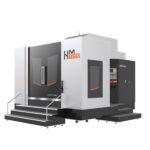
In today’s competitive manufacturing landscape, efficiency and precision are key to staying ahead. One of the most effective ways to achieve both is by investing in a CNC (Computer Numerical Control) lathe. While the upfront cost may seem significant, the long-term savings and operational benefits make it a smart financial decision for businesses.
This article explores how a CNC lathe can reduce costs, improve productivity, and enhance profitability for your business.
Reduced Labor Costs
Automation Minimizes Manual Work
Traditional manual lathes require skilled operators to perform repetitive tasks, increasing labor expenses. A CNC lathe automates these processes, reducing the need for constant human intervention.
Lower Training and Hiring Expenses
With CNC machining, operators only need basic training to run the machine, unlike manual lathes that require highly skilled machinists. This reduces hiring costs and shortens onboarding time.
Fewer Errors, Less Rework
Human errors in manual machining lead to wasted materials and rework. CNC lathes ensure precision, minimizing costly mistakes and improving overall efficiency.
Increased Production Efficiency
Faster Machining Speeds
CNC lathes operate at higher speeds than manual machines, allowing businesses to complete projects faster and take on more orders.
Operation Capability
Unlike manual lathes that require breaks, CNC machines can run continuously with minimal supervision, maximizing output and reducing downtime.
Consistent Quality Across Batches
Manual machining can lead to inconsistencies, but CNC lathes produce identical parts every time, ensuring high-quality standards and reducing waste.
Lower Material Waste & Cost Savings
Precision Cutting Reduces Scrap
CNC lathes optimize material usage by cutting with high accuracy, reducing scrap rates and saving on raw material costs.
Better Tool Life Management
CNC systems monitor tool wear and adjust cutting parameters, extending tool lifespan and reducing replacement costs.
Energy Efficiency
Modern CNC lathes are designed to consume less power compared to older machines, lowering operational expenses.
Long-Term Competitive Advantage
Ability to Handle Complex Designs
CNC lathes can produce intricate parts that manual machines cannot, opening doors to high-value contracts and niche markets.
Scalability for Business Growth
As demand increases, CNC lathes allow businesses to scale production without proportionally increasing labor costs.
Higher Profit Margins
By reducing labor, material waste, and downtime, CNC lathes improve profit margins, making them a smart long-term investment.
Conclusion
Investing in a CNC lathe is not just about upgrading equipment—it’s about future-proofing your business. The cost savings from reduced labor, higher efficiency, and lower waste make CNC lathes a profitable choice for manufacturers.
If you’re looking to cut costs and boost productivity, a CNC lathe is a strategic investment that pays for itself over time.
Ready to upgrade your machining capabilities? Explore high-quality CNC lathes today and start saving money while growing your business!